
IVF Add-ons
Our embryologists and fertility experts are here to help you, from our clinics in Cambridge, Norwich, Wickford and Colchester.
Page Guide
We understand that fertility treatment can be a complex and emotional journey. Our team is dedicated to providing you with all the information and support you need throughout the process.
How it works

IVF Add-ons
Our patient-centred care means that under some circumstances supplementary treatments, known as add-ons or adjuvants, may be offered (these include things such as GERI time-lapse, intralipids, embryo screening (PGT-A), endometrial scratching and assisted hatching). These are treatments that have been found to work for some patients, however, they do not have a rigorous evidence-base to support wider use.
Read further details below and for the latest on the effectiveness and safety of add-ons or adjuvants we recommend that you visit the HFEA website where our regulator has summarised the consensus of UK medical and scientific opinion.
Our team would be pleased to provide you with more advice on when to use IVF add-ons rationally and effectively.
While there are many factors that contribute towards a successful IVF treatment, stable, optimised embryo culture conditions and identifying the strongest embryos are amongst the most important.
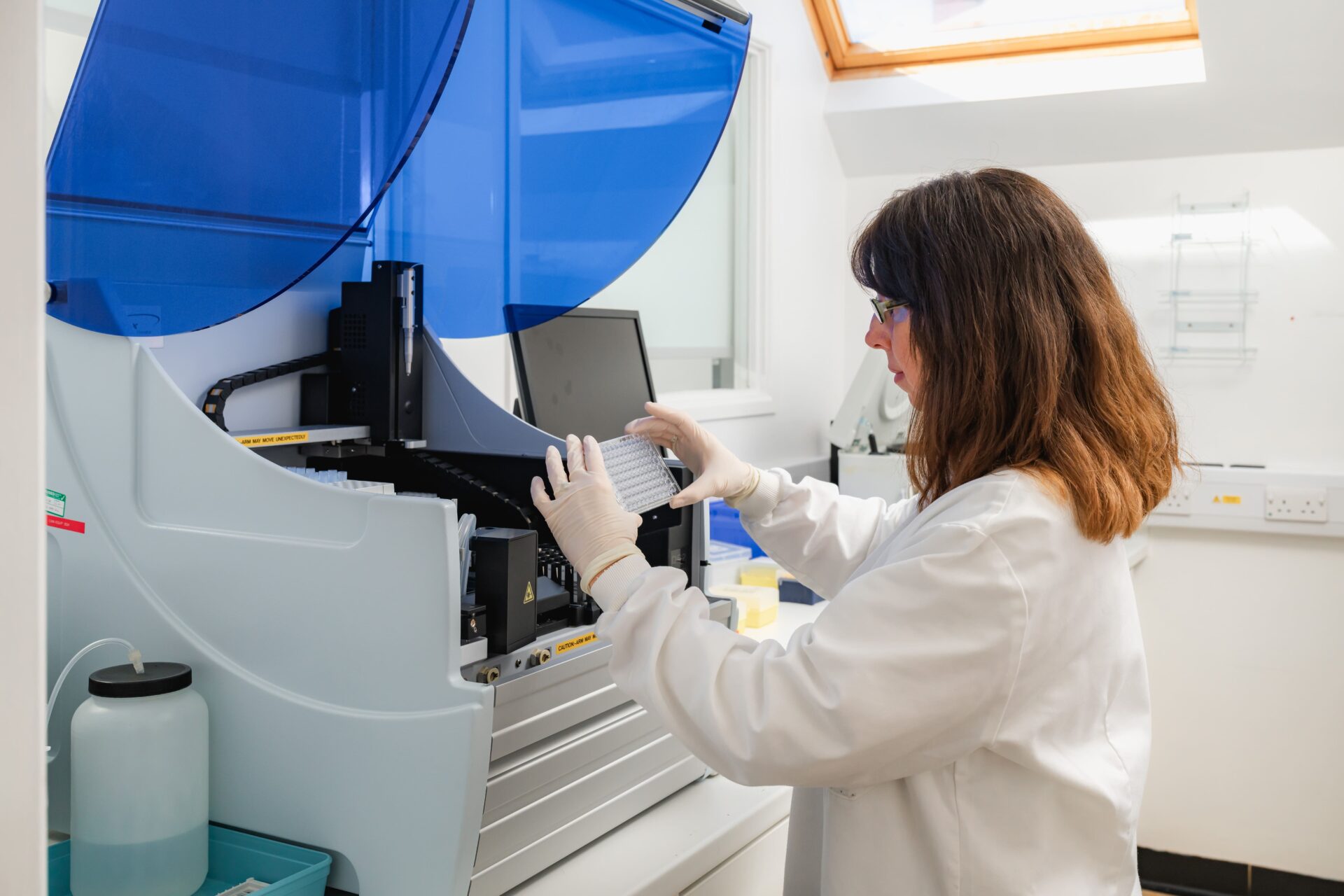
Designed to provide an individualised, undisturbed, optimal and stable environment, GERI gives each embryo the very best chance to develop, from fertilisation through to embryo transfer. The incorporation of one of the most advanced time-lapse camera systems allows our embryologists to observe embryo development stage by stage. Whilst embryo safety is assured as each chamber is independently controlled and checked by a class leading monitoring system.
Each chamber holds a single patient’s embryos with a dedicated microscope and a high-resolution camera that captures 7 different images of each embryo every 5 minutes. This completely non-invasive automatic system generates a video of embryo development providing detail that can never be seen with traditional incubation methods. Careful examination of the time-lapse videos by our expert embryologists enables us to select embryos with the strongest development, thereby identifying the best embryo(s) for transfer or freezing – optimising the chances of a successful pregnancy.
You will additionally receive a copy of all of GERI Time-lapse videos.
Bourn Hall is one of a limited number of centres in the UK, and the only clinic in the East of England to offer GERI.
The early interaction between the embryo and the lining of the uterus is a complex process. You may elect to have intravenously-administered intralipid, which although scientifically unproven, may enhance the likelihood of success.
How does it work?
Intralipid has been used with IVF treatment to help women who suffer either from recurrent miscarriage or repeated failed implantation following embryo transfer.
Intralipid is a 20% fat emulsion that is administered by the intravenous route. The main constituents are soya oil and egg yolk, with trace amounts of peanut oil. If you are allergic to any of these ingredients, then you should not use intralipid.
There is yet to be consensus in the medical community about if or why intralipid works. One theory that has been advanced is that as an embryo contains only half the genetic material of the mother, her uterus may see it as an invader, like a germ or foreign body.
Normally, the lining of the uterus contains immune cells that are specially adapted to tolerate an embryo. However, when these ‘friendly’ cells are not present or effective, the mother’s immune system may attack or reject the embryo with so-called ‘natural killer’ (NK) cells. This would make it difficult or impossible for the embryo to implant in the lining of the uterus.
It is thought that intralipid is able to change the immune cells in the uterine lining, making the environments more receptive to the embryo. Unfortunately, there are currently no reliable tests that can completely confirm whether a woman’s immune system will reject any embryo that tries to implant in her uterus.
Is it right for me?
Currently, there is limited evidence about the efficacy of intralipid in IVF. However, there have been encouraging reports in the UK and elsewhere. This brings the success rate of these women – with a history of several failed treatments – in line with the average rate seen in the general IVF population.
What next?
Intralipid is administered at Bourn Hall by intravenous drip infusion over a period of one to two hours. Infusions are required every three to four weeks, for a total of four or five infusions.
The first infusion is administered a few days before the embryo transfer, the second after a positive pregnancy test, the third after a viable pregnancy has been confirmed by ultrasound scan at six or seven weeks of gestation; the last infusion is given four or five weeks later.
After that the embryo should be established enough to develop without further intralipid support.
Although there is a lack of scientific evidence to prove that this technique makes a significant difference to treatment outcomes, many clinicians have observed improved implantation rates.
How does it work?
Endometrial scratching is a relatively simple procedure that makes a small scratch in the lining of the uterus – the endometrium– using a fine catheter, to improve the implantation rate when embryos are transferred into the uterus.
The scratch aims to induce a reaction within the uterus that makes the endometrium in the following menstrual cycle more receptive to embryos.
Is it right for me?
We normally advise endometrial scratching if you have had two or more unsuccessful treatments, despite transferring good quality embryos – whether fresh or frozen/thawed.
Reports from Bourn Hall, and from several other UK clinics, suggest this procedure is safe and that it improves implantation and IVF success rates. Constant research is taking place.
What next?
We advise that endometrial scratching is undertaken in the second half of the menstrual cycle, just before starting IVF or FET treatment.
Before an embryo can begin the process of implantation it must shed the protective shell it has grown in for the last five or so days. Making a slit in the shell assists the embryo to hatch by reducing the resistance to mechanical pressure from the embryo.
How does it work?
Embryos are surrounded by a protective outer coating called the zona pellucida. The thickness of this varies between patients, and it may toughen after culture in vitro, and with increased female age.
Before an embryo can implant and pregnancy occur, it must hatch from this outer coating. Hatching occurs naturally when the embryos are in the uterus. If the zona pellucida has become excessively thick or tough, hatching may be impaired or may not occur at all. When implantation fails with good quality embryos, this can be a possible cause.
Assisted hatching is a technique that involves making a small opening in the zona pellucida to enable the embryo to escape or ‘hatch’. The degree to which this improves the chances of pregnancy is difficult to measure, as reasons for using hatching are not identical in each case.
Is it right for me?
Published evidence suggests that assisted hatching may be clinically useful for patients with a poor prognosis, including those with three or more failed cycles, poor embryo quality and for older patients.
What next?
You will undertake the same treatment as for an IVF cycle with the hatching carried out shortly before embryo transfer. The use of a specially designed laser enables the embryologist to make a permanent hole of a precise size. The embryo is held in position under the microscope and the laser fired at the zona pellucida in several short bursts.
EmbryoGlue is a medium specially developed for use in the laboratory at the time of your embryo transfer, which some studies have shown to improve your chances of pregnancy.
How does it work?
EmbryoGlue is a culture media, which has an increased viscosity compared to conventional embryo transfer medium and contains hyaluronan, a compound found in the uterus at the time of implantation. It has been developed to mimic the conditions in the womb and may help your embryos implant after transfer.
There is moderate evidence to suggest an improved clinical pregnancy and live birth rate with the use of EmbryoGlue in your treatment cycle.
There are no known risks from using EmbryoGlue.
Is it right for me?
If you are having an embryo transfer as part of your treatment, EmbryoGlue may help to improve your chances of success.
What next?
Following either fresh or frozen embryo treatment, your embryos will be placed in the EmbryoGlue solution prior to your embryo transfer.
Endometrium is the tissue lining the interior of the womb where the embryo implants and grows during pregnancy. The endometrium is ‘receptive’ when it is ready for embryo implantation to occur. This period of receptivity is called the window of implantation (WOI).
In some women, this window of implantation may be earlier or later. ERA test allows us to assess whether the uterus is receptive at the usual time of embryo transfer.
EndomeTRIO testing can also be undertaken at the same time as ERA
A healthy endometrium contains healthy bacteria called lactobacilli this test evaluates endometrial flora and recommends the best probiotic treatment to balance your endometrial flora to improve your pregnancy prospects the test also detects the most frequent bacteria causing chronic endometritis (inflammation of the womb lining) and we will then be able to recommend specific antibiotic for successful treatment.
How does it work?
The ERA test analyses 248 genes in an endometrial sample to evaluate endometrial receptivity and determine the optimal time for embryo transfer, which can increase the chance of pregnancy.
Is it right for me?
We normally advise ERA and endometrio testing if you have had two or more unsuccessful treatments, despite transferring good quality embryos – whether fresh or frozen/thawed.
Constant research is taking place and report the safety of this procedure and that it improves implantation and IVF success rates.
What happens next?
A consultation with one of our fertility specialists will take place to agree your personalised treatment plan, ERA requires a mock cycle with an endometrial biopsy. Embryos will be transferred in a subsequent cycle.
Our fertility specialists will offer advice on cycle management to ensure optimal times for the mock cycle and subsequent embryo transfer.
Flexible Pricing Options
To help make your treatment affordable and achievable, we offer fixed price treatment package options and a variety of finance solutions for patients looking to spread all or part of the cost of their treatment.
Explore our prices
Discover our prices and finance options, making treatments more accessible for you.
Book a 15 minute Discovery call
Schedule a Discovery call to find out which tests and treatments are right for you.
Fertility funding partners we work with:


Our IVF success rates
At Bourn Hall, you can be assured of the best chances of having a baby within the shortest possible time. If you are under 35, you have a 72% chance of falling pregnant within one year.
*Data from 2025
If you are under 35, you have a 72% chance of falling pregnant within one year.
If you are 35-37 years old and you continue treatment with Bourn Hall, you have a 64% chance of getting pregnant within one year.
If you are a female aged over 40 and you continue treatment with Bourn Hall, you have about a 50% chance of getting pregnant within one year.
Success rates by age
At Bourn Hall, you can be assured of the best chances of having a baby within the shortest possible time. If you are under 35, you have a 72% chance of falling pregnant within one year.
*Data from 2025

Younger than 35
If you are under 35, you have a 72% chance of falling pregnant within one year.

35 to 39 years old
If you are 35-37 years old and you continue treatment with Bourn Hall, you have a 64% (58% for 38-39 year olds) chance of getting pregnant (pregnancy seen on scan) within one year.

40+ years old
If you are a female over 40 and you continue treatment with Bourn Hall, you have about a 50% chance of getting pregnant within one year.
Support at every stage
As one of the UK’s top fertility treatment centres, our values ensure we put our patients first.

Passion

Adaptability

Commitment

Teamwork and Collaboration
Our fertility milestones

1978
The world's first IVF baby

1980
Year founded by IVF pioneers

25000
Babies born through Bourn Hall

Patient reviews
Genuine experiences from real patients. See why so many trust us with their fertility care.

“We went to an open evening at Bourn Hall Wickford and came away feeling really positive about the place. The staff were really friendly and the presentation was clear about the statistics regarding success rates and live birth rates; their data was very transparent. We came away feeling like we would really be looked after.”
Katy and Leigh are parents to Charlie after IVF
Patient 2023
“We chose to make an appointment at Bourn Hall Wickford because of the favourable reviews. When we got there and met the staff they were just so lovely, making us feel welcome and explaining to us what tests would need to be done and what our options were; we just thought ‘yes, let’s get the ball rolling!”
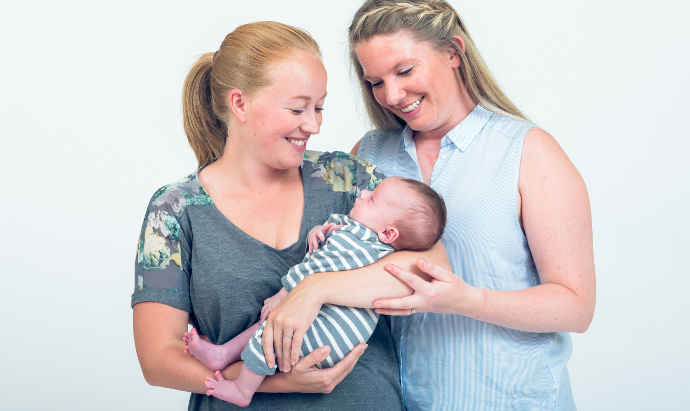
Jess and Fran are mums to Nathan after IVF with donor sperm
Patient 2023
Patient stories
Our patients are at the heart of everything we do, and we are always inspired by the success stories they have to share. Hear directly from our previous patients as they share their unique journeys to parenthood.

April & Giacomo’s Fertility Journey: Overcoming Male Factor Infertility Challenges
April and Giacomo’s journey to parenthood was filled with uncertainty, waiting, and emotional challenges, but throughout it…

From Challenges to Joy
Every fertility journey is different, and for Kim and her husband, the path to parenthood brought both…

Sophie’s Journey to Motherhood: Becoming a Solo Mum with Donor Treatment
At Bourn Hall, we’re privileged to support people on every path to parenthood. Today, we’re sharing Sophie’s…
Upcoming fertility events
Join our experts at a range of events including support groups, webinars and open evenings.
Learn more about the options available to you, from fertility tests to treatments, and find answers to any questions you might have.






Related information
If you qualify for NHS-funded fertility treatment under the NHS Norfolk and Waveney Integrated Care Board, our fertility diagnostic pathway is the same as the services offered by your local NHS hospital but with much shorter waiting times and in an environment dedicated to fertility services.
Our male couples fertility testing package includes semen analysis tests for you both, a free 30-minute consultation with our fertility nutritionist and a private consultation.
We offer fertility health and wellbeing packages at our clinics in Cambridge, Norwich, Wickford, or at home. Our male package includes a semen analysis, a free 30-minute consultation with our fertility nutritionist, and personalised doctor-written report explaining your results.
Our female couples fertility testing package includes options to provide you both with results on your fertility. These include AMH blood tests for ovarian reserve; TSH to assess your thyroid stimulating hormone; an ultrasound scan; and personalised doctor-written report explaining your results.
Our female package includes the option of AMH blood tests for ovarian reserve; TSH to assess your thyroid stimulating hormone, an ultrasound scan; and personalised doctor-written report explaining your results. Additionally, we include a free 30-minute consultation with our fertility nutritionist to provide you with nutrition and lifestyle advice.
For heterosexual couples, our female and male fertility testing package includes the option of semen analysis; AMH blood tests for ovarian reserve; TSH to assess your thyroid stimulating hormone; ultrasound scan; and personalised doctor-written report explaining your results.
Once you’ve made the decision to extend your family, even thinking that you might have a fertility issue can be stressful. And for a man, the thought that your sperm might not be in tip-top condition is definitely a cause for concern.
Frequently asked questions
Your questions answered. Find clarity on every step of your fertility journey.