
Fertility Health and Wellbeing
When getting pregnant takes longer than expected, it’s completely natural to feel uncertain or worried. Taking time to understand your fertility can be a reassuring first step, helping you feel more in control. With the right support, you can move forward with confidence.

Fertility Health and Wellbeing
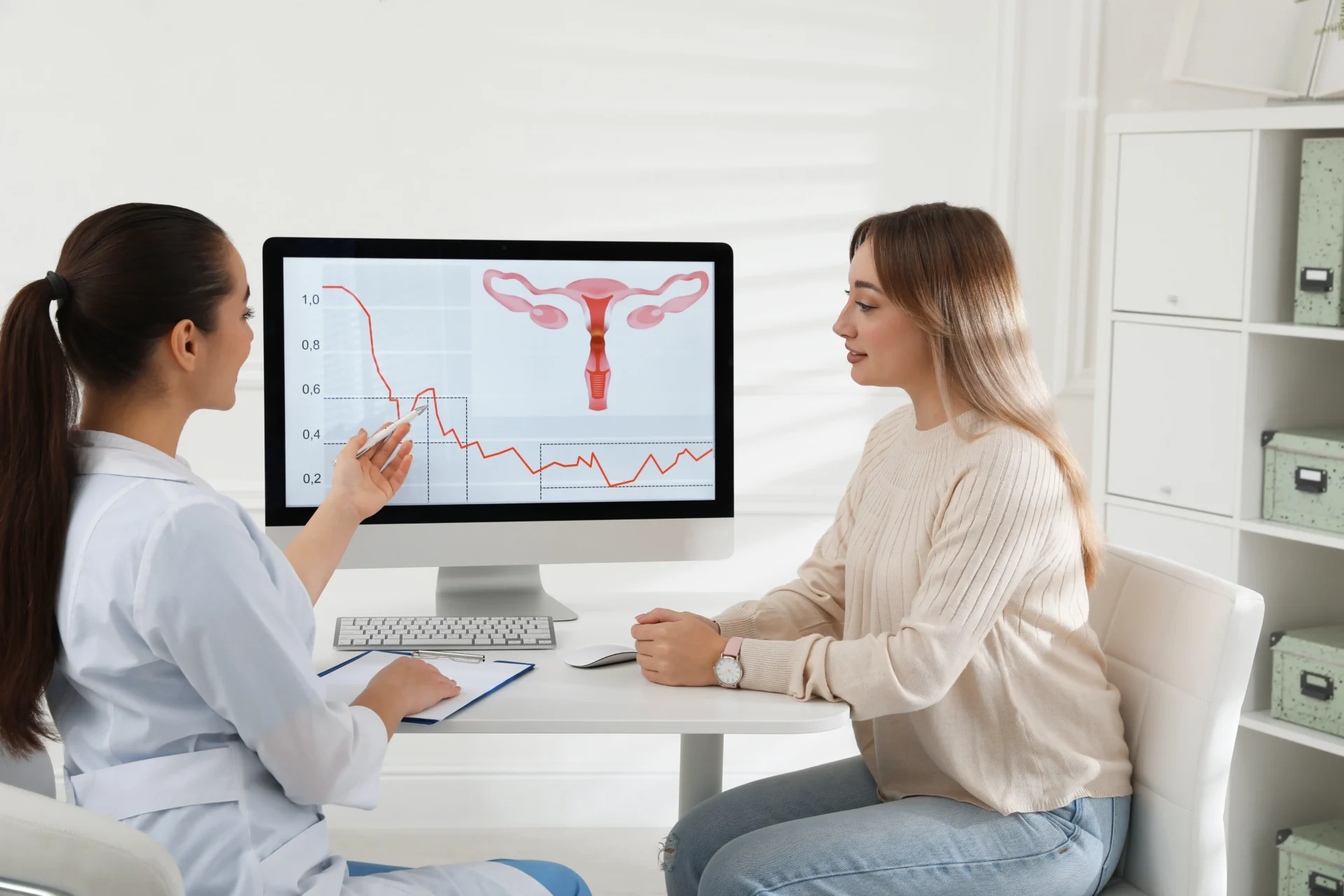
What is fertility?
Fertility is your natural ability to conceive and have a baby. Both male and female reproductive health play an equal part. For women, factors such as egg quality, hormone levels and the condition of the uterus and fallopian tubes all play a role. For men, fertility depends on producing healthy sperm that can reach and fertilise an egg. Sperm count, movement and shape all contribute to this.
For women, your menstrual cycle is also an important part of fertility. A typical cycle lasts around 28 days, during which your body prepares for the possibility of pregnancy. Each month, a mature egg is released from the ovary, and if sperm is present at the right time, fertilisation may occur. If not, the egg and the womb lining are shed during your period.
Hormones such as oestrogen, progesterone and follicle-stimulating hormone (FSH) guide each stage of the cycle. They influence how the egg develops, when ovulation takes place and how the womb prepares for implantation. Understanding these changes can help you recognise your most fertile days and notice any patterns that might affect your chances of conceiving.
What causes infertility in women?
Your fallopian tubes play a vital role in conception. They’re where the egg and sperm meet and where the first few days of embryo development take place. If the tubes are blocked or damaged, it can make conception more difficult.
Other factors that can affect female fertility include:
- Conditions that affect ovulation, such as polycystic ovary syndrome (PCOS)
- Lower egg numbers or reduced egg quality
- Blocked fallopian tubes
- Endometriosis, where tissue similar to the womb lining grows outside the uterus
- Differences in the shape of the uterus that may influence conception
These conditions can affect how often you ovulate, how your eggs develop or how sperm and egg meet.
What causes infertility in men?
Male fertility problems can be caused by a range of factors, including:
- Low sperm count
- Poor sperm movement
- Abnormal sperm shape
- Absence of sperm
- Hormonal issues
- Genetic conditions
- Illness, injury or environmental factors
A semen test can identify many of these causes by assessing the number of sperm, how well they move and their shape, which can often guide the next steps quickly.
If any of these factors fall outside the expected range, it may reduce the chance of conception. You can provide a sample in one of our private clinic rooms or use one of our home test kits if you prefer. Ideally, you should avoid ejaculation for two to seven days before the test to help ensure the sample is as accurate as possible.
Fertility health and wellbeing: maximising your fertility potential
Your general health plays an important role in fertility, and even small changes can make a meaningful difference.
You may want to focus on:
- Eating a balanced diet that includes whole foods, lean proteins and plenty of fruit and vegetables
- Maintaining a healthy weight
- Reducing alcohol and stopping smoking
- Staying active
- Prioritising sleep and emotional wellbeing
Taking folic acid is an important part of preparing for pregnancy. It supports early fetal development and is recommended for anyone trying to conceive. Most people are advised to take it for around three months before trying for a baby and to continue during the first 12 weeks of pregnancy.
Some people also choose to use fertility-specific supplements. If you’re considering this, our nutritionists can discuss your options and guide you towards evidence-based support.
Around 8 in 10 couples will conceive naturally within a year. For the 2 in 10 who don’t, fertility testing can offer reassurance and provide a clearer understanding of what may be happening.
A fertility health check is a proactive way to learn more about your reproductive wellbeing. It can help you identify any issues early and support you in making informed decisions.
Your assessment may include a range of tests, each designed to explore a different aspect of your fertility and wellbeing.
Related stories
Hear from our patients as they share their paths to parenthood.
Being kind to myself helped me when I was struggling to conceive
Beth's tips for anyone on the fertility journey "Don’t look too far in to the future, just...
Couch to 5K helped me get fertility fit
When Jenny was told losing weight would bring the couple closer to their baby dreams, she got...
I lost over a third of my body weight and our IVF worked first time!
Sarah had been ‘big’ since she was a teenager. When fertility specialists told her that she needed...
We are here to support you
At Bourn Hall your wellbeing is our priority, and this goes far beyond your fertility treatment.
We understand the frustration and distress that can sometimes be overwhelming during fertility treatment, so we encourage a holistic approach to your emotional and mental health. Engaging with our specialist advisors and counsellors is always encouraged and we run a Fertility Support Group for those who wish to share their experiences. We provide tailored nutritional support during fertility testing and we also promote a positive lifestyle approach throughout, including the benefits of being outdoors with nature.
Be reassured, we are here to help. Through all aspects of your journey, we will guide and support you, and give you all the information you need to help make your dreams come true.

We provide world-class support throughout the fertility journey.
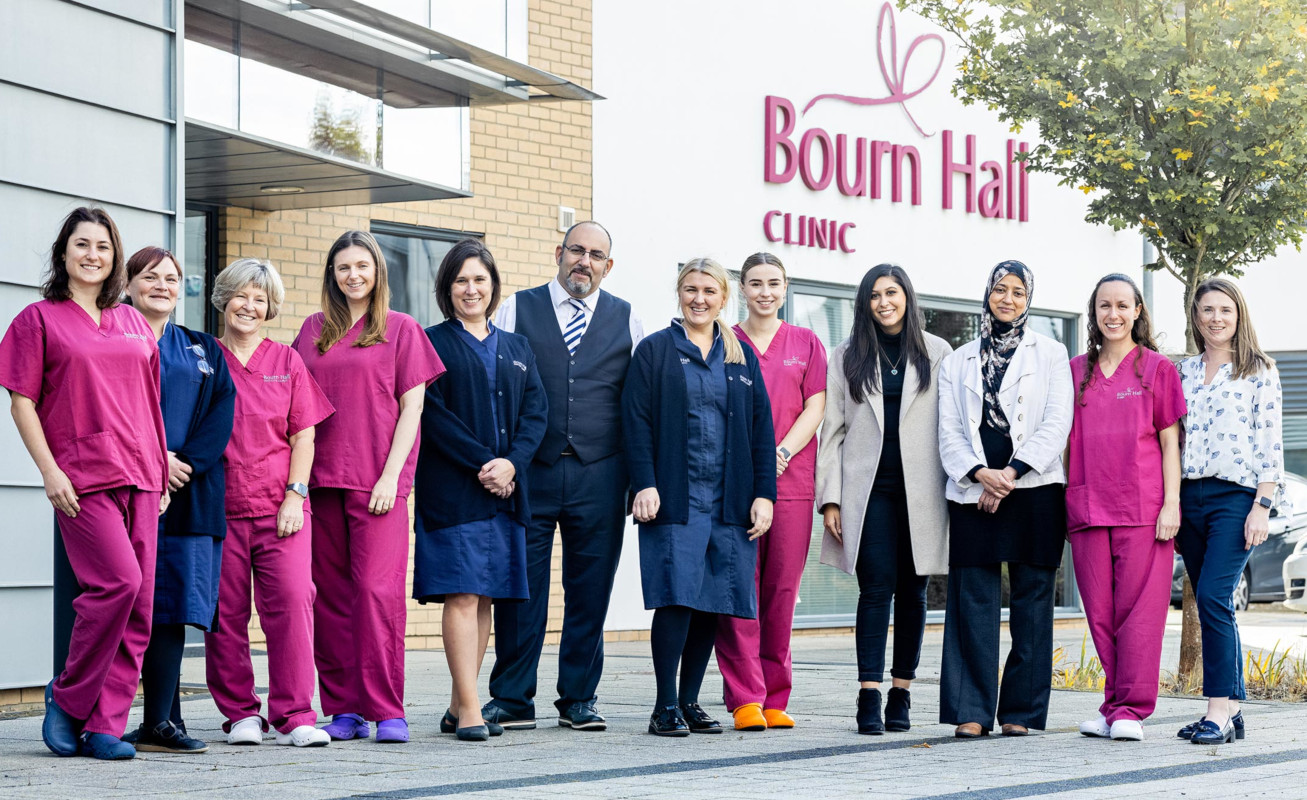
As one of the UK’s top fertility treatment centres, our values ensure we put our patients first.

Passion

Adaptability

Commitment

Teamwork and Collaboration
Our excellence in fertility treatment

1978
The world's first IVF baby

1980
Year founded by IVF pioneers

25000
Babies born through Bourn Hall

Our Fertility Events
Join our experts at a range of events including support groups, webinars and open evenings.
Learn more about the options available to you, from fertility tests to treatments, and find answers to any questions you might have.





Frequently asked questions
Your questions answered. Find clarity on every step of your fertility journey.