
What is ICSI? A simple guide to the process and who it’s for
01 Jun 2026
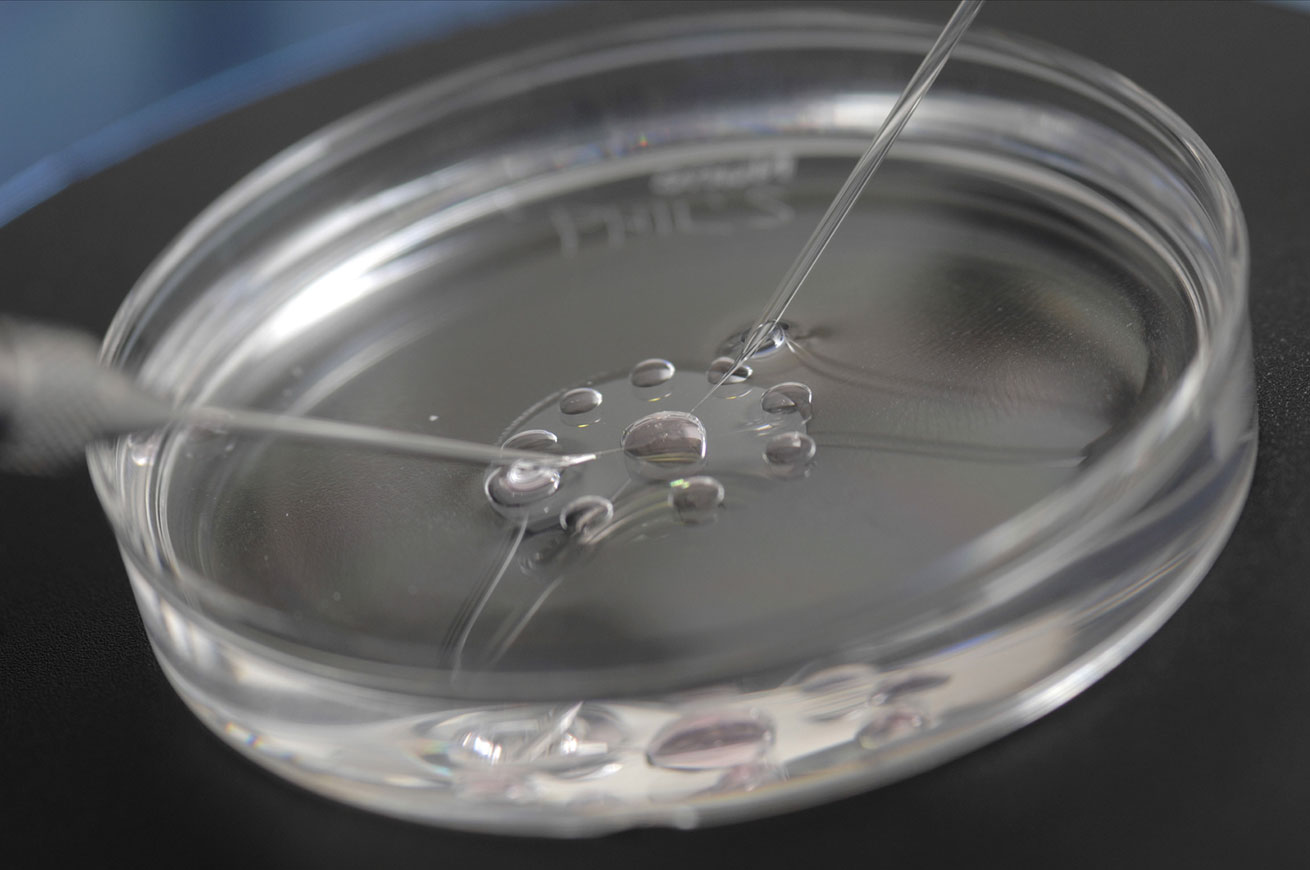
If you’re exploring fertility treatment, you may have come across intracytoplasmic sperm injection (ICSI) and want to understand what it actually involves.
ICSI is a technique used to support fertilisation when sperm are unable to reach or penetrate an egg on their own. Understanding how it works can help you feel more informed as you explore your options.
What is ICSI?
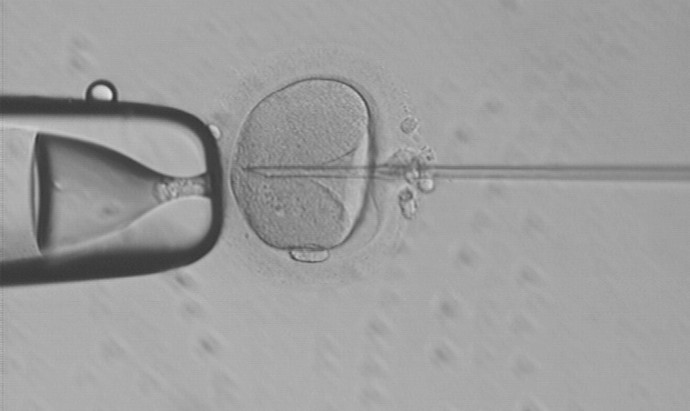
ICSI is a technique used in fertility treatment designed to assist fertilisation at a very precise stage. During the ICSI procedure, an embryologist selects a single sperm and carefully injects it directly into an egg in the laboratory. This helps fertilisation take place even when natural fertilisation may be less likely.
This approach is often recommended when there are challenges affecting sperm quality or movement, or when previous IVF treatment hasn’t resulted in fertilisation. By supporting this crucial step, the aim is to give eggs the best possible chance of becoming embryos that can later be transferred to the womb.
How does ICSI work?
ICSI is carried out as part of an in vitro fertilisation (IVF) cycle. The early stages are very similar, including egg collection and sperm preparation.
The key difference between IVF and ICSI comes in the laboratory. Instead of placing eggs and sperm together in a dish and allowing for fertilisation to happen naturally, an embryologist injects one sperm directly into each mature egg.
The aim is to support fertilisation when sperm need additional assistance. If fertilisation is successful, the resulting embryos are monitored as they develop. One or more may then be transferred to the womb, while others may be frozen for future use if appropriate.
When is ICSI recommended?
ICSI may be recommended when tests suggest that sperm are likely to need extra support to fertilise an egg. It’s often considered after a detailed fertility assessment, including a semen analysis.
Your specialist may suggest ICSI in situations such as:
- Low sperm count – when there are fewer sperm available to reach and fertilise the egg
- Reduced sperm movement – when sperm may not be able to swim effectively towards the egg
- A high proportion of abnormally shaped sperm – which can sometimes make fertilisation more difficult
- Previous IVF treatment where fertilisation did not occur – ICSI may help improve the chance of fertilisation in a future cycle
- Use of frozen or surgically retrieved sperm – these samples can sometimes benefit from assisted fertilisation
- When fertilisation is expected to be more challenging based on your test results and medical history
Your care team will recommend the most suitable approach for you, drawing on your results and overall fertility health.
Who is ICSI suitable for?
ICSI may be an appropriate option for a range of people, depending on their individual fertility needs.
This can include:
- Heterosexual couples where male factor infertility has been identified
- Same-sex female couples using donor sperm
- Single women using donor sperm
- People who have not had success with previous fertility treatment
Every treatment plan is tailored to the individual. Your specialist will consider your test results, medical history and personal circumstances before recommending the most suitable pathway.
The ICSI process step-by-step
ICSI involves a carefully coordinated series of stages, each carried out and monitored by a dedicated clinical and laboratory team.
- Ovarian stimulation
The first step is preparation. Fertility medication is used to encourage the ovaries to produce more than one mature egg.
- Egg collection
Once the eggs are ready, they are collected during a minor procedure at the clinic.
- Sperm collection
A sperm sample is usually provided on the same day as egg collection. If frozen sperm is being used, it is carefully thawed in the laboratory.
- Sperm selection
An embryologist examines the sample under a microscope and selects a single sperm for each mature egg.
- Sperm injection
One sperm is injected directly into each egg in the laboratory.
- Embryo development
The eggs are observed to see if fertilisation has happened. Any resulting embryos are monitored as they continue to develop.
- Embryo transfer
If a healthy embryo develops, it is transferred into the womb. In some cases, additional embryos may be frozen for future use.
- Pregnancy test
A pregnancy test is usually taken around two weeks after embryo transfer.
Learn more about the ICSI experience by reading about our ICSI patients’ success stories.
Possible risks with ICSI
ICSI is a well-established fertility treatment, but like any medical procedure, it does carry some risks and considerations. These include:
- Not every egg will fertilise – even when sperm is injected directly into the egg, fertilisation does not always happen
- The egg can be damaged during injection – there is a small risk that the egg may be damaged as part of the ICSI procedure
- Risks related to IVF treatment as a whole – this can include side effects from fertility medication, ovarian hyperstimulation syndrome (OHSS) and an increased risk of multiple pregnancy if more than one embryo is transferred
- Possible risk of urinary or reproductive problems – some studies suggest children born through ICSI may have a slightly increased risk of having problems affecting the urinary or reproductive systems
Your fertility team will explain any risks that apply to your specific treatment plan, so you know what to expect at each stage.
Does ICSI improve success rates in fertility treatment?
ICSI can improve the chance of fertilisation in situations where sperm may otherwise struggle to reach or penetrate an egg. For some people, especially when male factor infertility is present, this can be a meaningful part of the treatment pathway.
It’s important to remember that fertilisation is just one step in a longer process. The chances of pregnancy depend on several factors, including egg quality, embryo development and the ability of the embryo to implant in the womb.
ICSI is a well-established technique, but it does not guarantee pregnancy. Your specialist will talk you through what this means for your individual situation, so you have a realistic understanding of what treatment may involve.
Take the first steps on your ICSI journey
If you’re considering ICSI, the first step is usually fertility testing. This helps build a clear picture of your reproductive health and guide recommendations for the most suitable treatment options.
At Bourn Hall, we take a personalised approach to fertility care. Your specialist will review your results with you, explain your options and support you in choosing a treatment plan that feels right for you.
Speak to our team for guidance on your next steps and to learn more about how ICSI may fit into your fertility journey.

Find out how can we help you
Book a consultation call with our team to find out how Bourn Hall can help you on your fertility journey
Related articles

ACE and ICSI treatment for male infertility celebrate 21 years
A breakthrough in male infertility treatment came 21 years ago when the first baby was...
ICSI vs IVF: key differences explained
If you’re beginning to explore fertility treatment, it can help to understand the difference between…
Patient reviews
Genuine experiences from real patients. See why so many trust us with their fertility care.

“We went to an open evening at Bourn Hall Wickford and came away feeling really positive about the place. The staff were really friendly and the presentation was clear about the statistics regarding success rates and live birth rates; their data was very transparent. We came away feeling like we would really be looked after.”
Katy and Leigh are parents to Charlie after IVF
Patient 2023
“We chose to make an appointment at Bourn Hall Wickford because of the favourable reviews. When we got there and met the staff they were just so lovely, making us feel welcome and explaining to us what tests would need to be done and what our options were; we just thought ‘yes, let’s get the ball rolling!”
Jess and Fran are mums to Nathan after IVF with donor sperm
Patient 2023